
The Trump administration is increasingly turning away from diplomacy with Iran. Meanwhile, the chances of reaching a new nuclear deal are fading as military tensions between Washington and Tehran continue to escalate. The latest comments from a senior US official suggest that President Donald Trump’s original ambition of securing a nuclear deal may be becoming increasingly difficult to achieve.
Speaking to ABC News this Sunday, US Energy Secretary Chris Wright acknowledged that there may ultimately be no nuclear agreement with Iran. His remarks raise serious questions about the direction of the administration’s Iran policy, particularly because the United States and Israel presented diplomacy and the elimination of Iran’s nuclear capabilities as central objectives of their military campaign.
Rather than emphasizing negotiations, Wright suggested that Washington could focus on destroying Iran’s ability to develop nuclear infrastructure. When ABC News asked him about Iran’s nuclear ambitions, he argued that the United States might simply destroy the country’s capabilities instead of reaching an agreement through diplomacy.
This new approach highlights what critics describe as a major contradiction in Trump’s Iran strategy. The administration has repeatedly portrayed military pressure as a means of forcing Iran to accept better terms at the negotiating table. Yet if the ultimate result of that pressure is the collapse of negotiations and a greater reliance on military strikes, the policy risks becoming an open-ended cycle of escalation.
Destroy First, Negotiate Later, Pray for a New Tehran
Wright defended the US military campaign by arguing that American attacks had reduced Iran’s ability to develop missiles and nuclear weapons. He claimed that Washington was weakening Iran’s capacity both to develop nuclear weapons and, potentially, to deliver them.
However, Iran has consistently rejected the accusation, asserting that its nuclear program serves peaceful purposes, including energy production. The disagreement over Iran’s intentions has been at the center of tensions between the two countries for years.
Wright also acknowledged that a nuclear agreement could potentially become possible under a future Iranian government. He suggested that negotiations might have to wait for a new administration in Tehran, while admitting that the United States simply does not know what the future will bring.
That statement is particularly significant because it suggests Washington may be relying on political change inside Iran rather than building a realistic diplomatic strategy for reaching an agreement with the government currently in power. Critics argue that such an approach is risky and exposes a central flaw in Trump’s Iran strategy: waiting for a different Iranian leadership provides no guarantee that future leaders would be more willing to negotiate with Washington.
Small Potatoes, Big Blockade, Deadly Denial
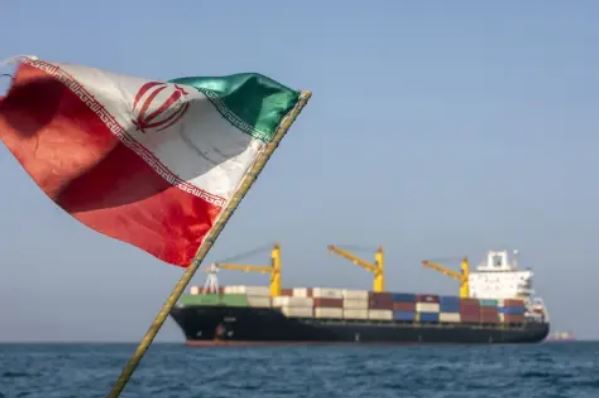
The deterioration of diplomacy follows the collapse of a memorandum of understanding between the United States and Iran in July. After a temporary pause in hostilities, military attacks resumed, while Iran moved to restrict traffic through the Strait of Hormuz and the United States imposed a naval blockade. The situation has therefore evolved from a dispute over nuclear activities into a much broader military and regional confrontation.
Despite the intensity of the conflict, the Trump administration has attempted to portray the situation as less serious than it appears. Trump recently described the fighting as “small potatoes,” and Vice President JD Vance argued he would not necessarily call the situation a war. Vance also suggested that there was no active shooting at the time of his remarks.
Such statements have drawn criticism because they appear disconnected from the reality of a conflict involving military strikes, naval operations, attacks on infrastructure and growing regional instability. Describing a major confrontation as insignificant may help the administration control its public messaging, but it does little to explain how Trump’s Iran strategy intends to end the crisis.
Vance also faced criticism after appearing to dismiss reports of a US attack on a wedding in southern Iran, saying that “sometimes things happen.” For critics, such comments raise concerns about whether the administration is adequately recognizing the human consequences of its military strategy.
No Deal, No Plan, No Exit—Just More War
Meanwhile, Wright insisted that the United States would complete the job in Iran and claimed regional allies and other countries would eventually participate in efforts to end the conflict. Yet the administration has provided few details about what an acceptable end to the war would actually look like.
The central problem for Trump’s Iran strategy is increasingly difficult to ignore. A strategy that relies heavily on military pressure may destroy infrastructure, but it cannot automatically produce a sustainable political agreement. If Washington genuinely wants to prevent Iran from acquiring nuclear weapons, as it claims to be wanting, then diplomacy must remain essential.
The apparent decline of the nuclear deal therefore represents more than a diplomatic setback. It may demonstrate the limits of a foreign policy that relies heavily on threats and military force while offering an uncertain political path toward a lasting settlement. Trump entered the confrontation promising decisive results. But if the outcome is a prolonged conflict without a nuclear agreement, his administration may ultimately face the question of whether its strategy has made the United States safer—or simply made another Middle Eastern crisis more difficult to resolve.