
More than six months into the Iran war, the United States continues to fight a major military confrontation with Iran, and the conflict is proving far more difficult and expensive than the Trump administration initially expected. What the Trump administration presented as a relatively short operation has now developed into a prolonged war, creating growing financial, military, and political problems for Washington.
When President Trump authorized the campaign in February, the administration appeared to expect a rapid outcome. The administration based the strategy on the assumption that intense military pressure could force Tehran to surrender its strategic capabilities and perhaps contribute to the collapse of the Islamic Republic. Instead, Iran’s government has survived; its missile capabilities remain a serious concern; and the United States still fights a conflict with no clear end.
This is one of the biggest weaknesses in Trump’s strategy. The United States has damaged Iranian military and economic infrastructure, but it has struggled to turn those attacks into a decisive political victory. The financial burden has also become significant.
Mission Impossible: Trump’s Iran Strategy Burns $37.5 Billion While Tehran Stands
According to figures that recent reports cite, Washington has spent more than $37.5 billion on combat operations. The real cost could rise even higher once one considers replacing weapons and military equipment. Precision-guided munitions, air-defense systems, aircraft, and naval equipment are expensive and can take considerable time to replace.
This creates a wider strategic problem for the United States. Washington must continue preparing for potential challenges involving China, Russia, and other adversaries. Every aircraft, missile, or naval asset that Washington commits to Iran may remain unavailable to the United States during another potential international crisis.
The human cost is another serious concern. Reports say that at least 18 U.S. service members have died during the war, while Iranian missile and drone attacks have wounded more than 750. These losses are particularly significant because the administration initially portrayed the conflict as a limited campaign that it could bring under control relatively quickly.
In addition, six months into the Iran war, the conflict has created consequences far beyond the battlefield. The conflict has severely disrupted the Strait of Hormuz, one of the world’s most important energy routes.
Strait of Hormuz, $4 Gas, and 30% Approval: Trump’s Homefront Rot
The waterway carries a major portion of global oil supplies, and uncertainty surrounding commercial shipping has contributed to higher energy costs both in the United States and abroad, and it has increased risks for international trade.
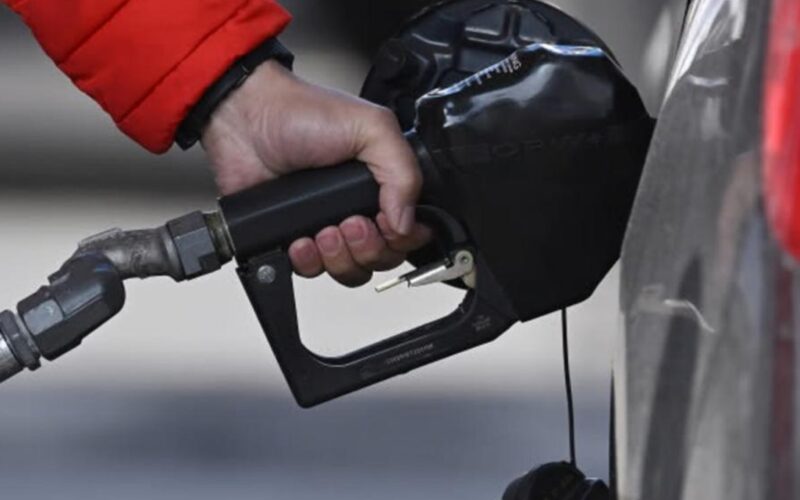
American consumers are feeling that pressure acutely. Gasoline prices have reportedly risen to around $4 per gallon, compared with approximately $2.75 before the war. Higher fuel prices can increase transportation, food, and household costs. For Trump, this is particularly damaging because economic pressure can quickly become a political issue for his administration.
Indeed, public dissatisfaction already reflects these concerns. According to figures that a recent Axios report cites, only around 30 percent of voters approve of Trump’s handling of the conflict.
Critics argue that some of these consequences were predictable. Intelligence officials reportedly warned before the war that removing Iran’s leadership could create an unpredictable political situation, provoke retaliation against American interests, and threaten shipping through the Strait of Hormuz. Several of these risks have subsequently materialized.
Trump, however, continues to present the campaign as a success.
Mission Accomplished 2026? No Exit, No Victory, No Clue
His decision to share an image that an AI generated and that carries the words “Mission Accomplished 2026” has also attracted criticism because it contrasts sharply with the continuing conflict and uncertainty.
Trump’s supporters argue that the pressure campaign could still succeed. They point to economic difficulties inside Iran, including shortages of essential goods and fuel problems, as evidence that the strategy is putting serious pressure on Tehran. They believe continued pressure could eventually weaken the Iranian government and force it into negotiations.
That outcome, however, is far from certain. History teaches that economic hardship does not necessarily produce political collapse. It can also increase nationalism, strengthen repression, and deepen hostility toward the United States.
Six months into the Iran war, the fundamental problem for Trump is therefore the absence of a clear definition of victory. After more than six months of fighting, the United States has spent tens of billions of dollars, suffered military casualties, depleted valuable weapons, disrupted a critical energy route, and faced higher fuel prices, while Iran’s government remains in power. Therefore, unless Washington can turn military pressure into a sustainable political settlement, the conflict risks becoming not the quick victory Trump initially promised, but a costly and open-ended strategic commitment.